Practise reciprocity
Ask what you receive, what you can offer and what the relationship needs. Reciprocity need not be immediate or equal in every exchange. Receiving help can be a meaningful part of community life.

Personal wellbeing belongs within a wider ecology.
6–9 min to explore · Pause and return whenever you like
Beyond the gate are other gardens, homes, meeting places and paths. Water does not stop at the boundary. Neither do many of the conditions that shape our lives. The garden is particular, and it is also part of something shared.
Regenerative Wellness includes belonging, reciprocity and responsibility for place. Your wellbeing matters within this picture. Sustainable contribution includes your needs, capacity and right to rest.
Ask what you receive, what you can offer and what the relationship needs. Reciprocity need not be immediate or equal in every exchange. Receiving help can be a meaningful part of community life.
Care for people, care for the living world, and a fair sharing of resources offer practical ethical questions. Consider access, consent, local context and who carries the work. A good intention becomes more useful when the people affected help shape it.
What we forward, publish or give attention to can affect others. A helpful contribution may be checking a source, asking permission before sharing someone’s story, or choosing a quieter, more considered conversation. These are acts within Awareness Ecology.
Sharing excess garden produce could support a neighbour and reduce waste. It might also create work or be unwanted. Asking first, offering an accessible collection time and welcoming a “no” makes the relationship more thoughtful.
Choose an ordinary action. Explore its possible effects, limits and a thoughtful way to begin. These are illustrative pathways, not guaranteed outcomes.
There is no score. Explore what is useful, and leave room for your own experience.
Stay with one question, or explore all three. A few words can be enough. You may also reflect without writing.
Choose a small act of reciprocity: receive help, check in with someone, care for a shared place, or share useful information thoughtfully. Ask what is needed before assuming.
Let contribution grow from relationship, consent and realistic capacity.
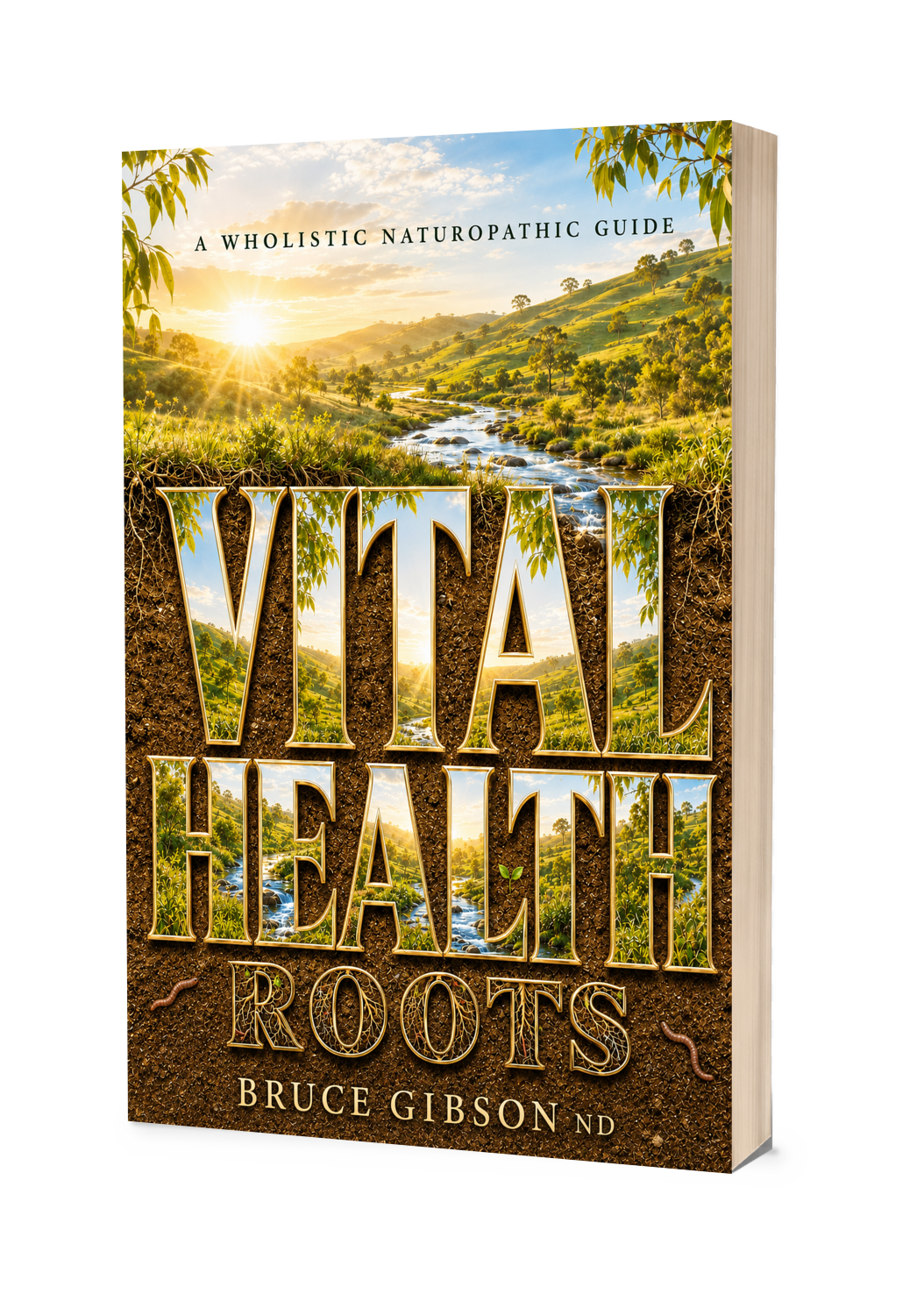
Take these ideas into your own life, and share the book or free Starter Path with someone who would find them useful.
A companion resource by Bruce Gibson ND. Explore at your own pace. Links open in a new tab so your journey stays here.
Social connection and the wider conditions of daily life matter for health. The ripple activity explores possible relationships; it does not calculate a health or environmental benefit.
Nature imagery is illustrative. An individual observation can guide a question; it does not establish a cause or diagnose a condition.
Now bring these relationships together in a map of your own.