8–12 min to explore · Pause and return whenever you like
Tap an image. Follow your curiosity.
Nature. Awareness. Possibility.0 of 9 chapters explored
You arrive again at the place where you began. The landscape is familiar. Yet now you see the roots beneath the leaves, the conditions around the growth, and the wider world beyond the gate. You have learned another way to look, and a gentler way to begin.
THE PRINCIPLE
A regenerative practice is a continuing relationship with life.
Bring the journey into one small, workable intention. Your map does not need to cover everything. It can hold a single relationship, a supportive condition, a pressure to reduce and a practice you are willing to explore.
01
Gather what you have learned
Belonging, relationships, nested systems, awareness, nourishment, rhythm, regeneration and reciprocity are different perspectives on a connected life. Your reflections are available in your journal. Return to any chapter when it becomes relevant.
02
Make care observable
Choose something specific enough to try and notice. “Ask someone to share one task this week” is easier to observe than “be more balanced”. Include support, a manageable time and a way to recognise whether the action fits.
03
Return without judgement
On returning, ask: What happened? What else was going on? What helped? What needs adapting? You may continue, simplify, seek assistance or choose another focus. Needing to change the plan is part of learning.
IN EVERYDAY LIFE AN ILLUSTRATIVE EXAMPLE
A living intention might be: “I will make space for an unhurried conversation with a friend this week. I will ask which day suits us, keep it manageable, and notice whether we both want to do it again.”
EXPLORE FOR YOURSELF
Create your Living Ecology Map
Choose an image, arrange your cards if you wish, and write a few words about the care you want to explore. Your map and reflections stay in this browser when storage is available. Export a copy to keep them elsewhere.
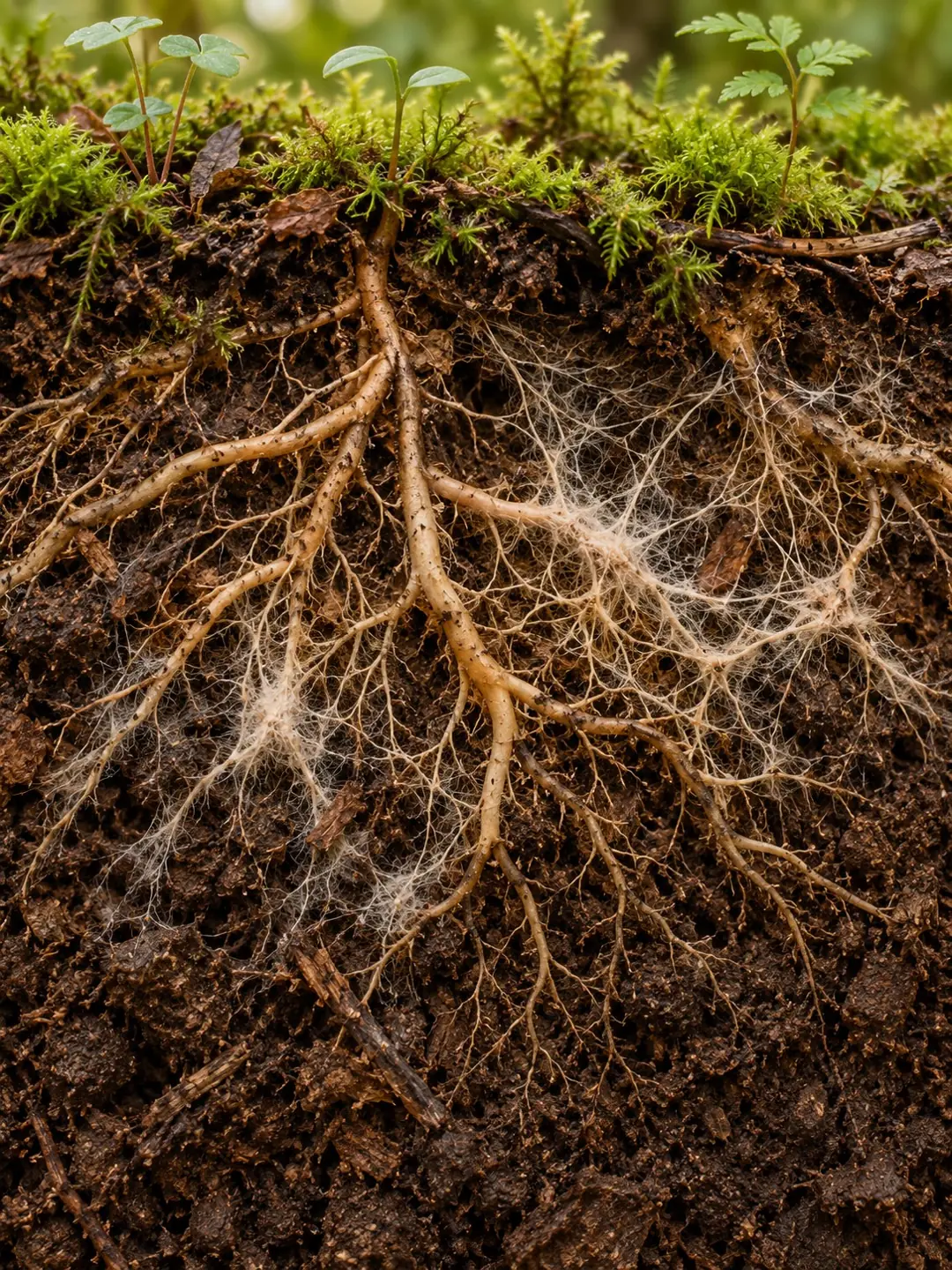
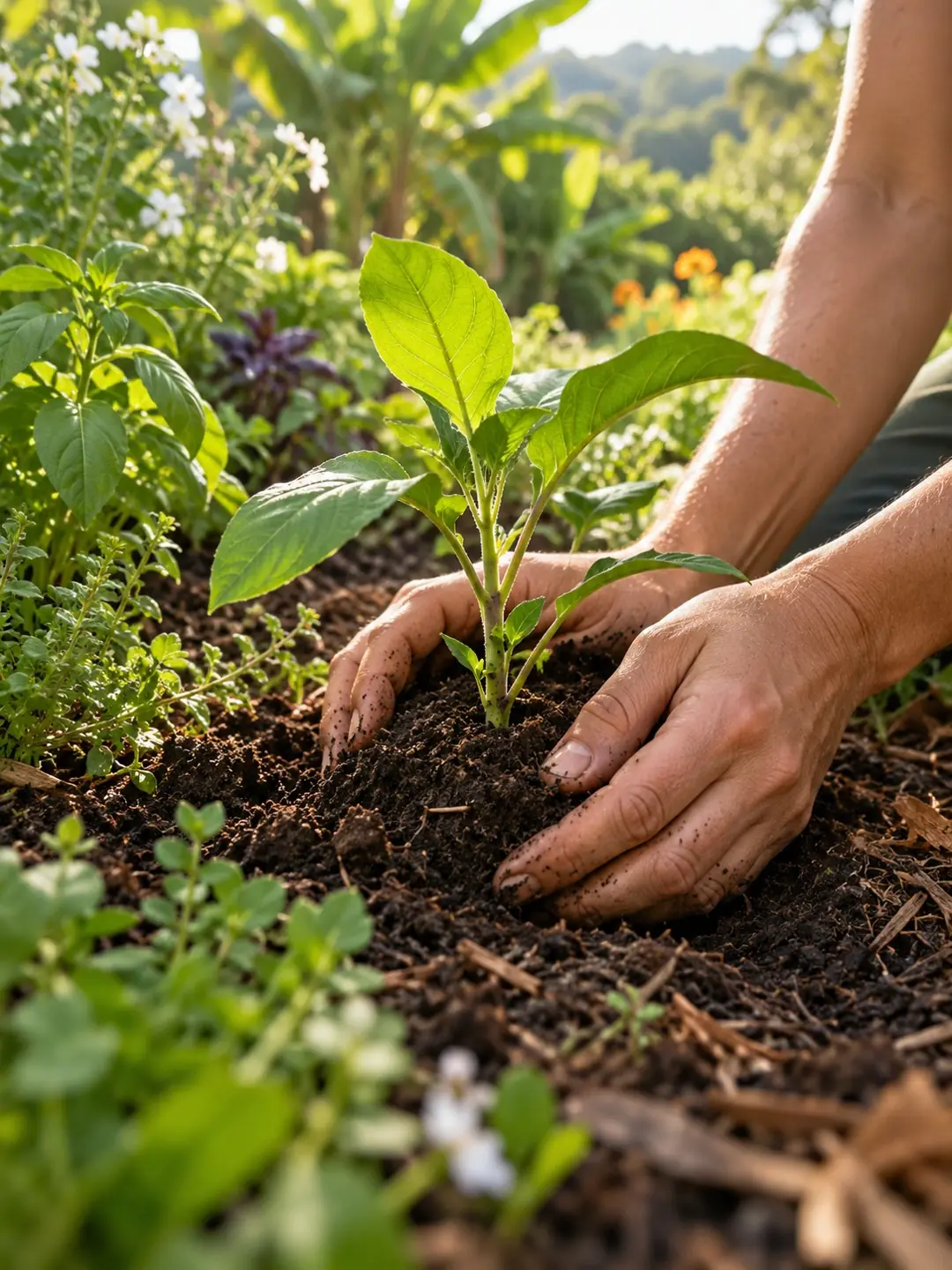
Your map is yours to revisit. Choose images with the buttons; use arrow keys on a focused card to move it.
LET THE IDEA MEET YOUR LIFE
Pause to Consider.
Stay with one question, or explore all three. A few words can be enough. You may also reflect without writing.
CARRY IT INTO YOUR DAY
A small practice.
Put one act of care into your life. Set a realistic return date in your map and, if useful, your own calendar. Come back with curiosity about what you have learned.
Tend one meaningful relationship, observe what happens, and return with care.
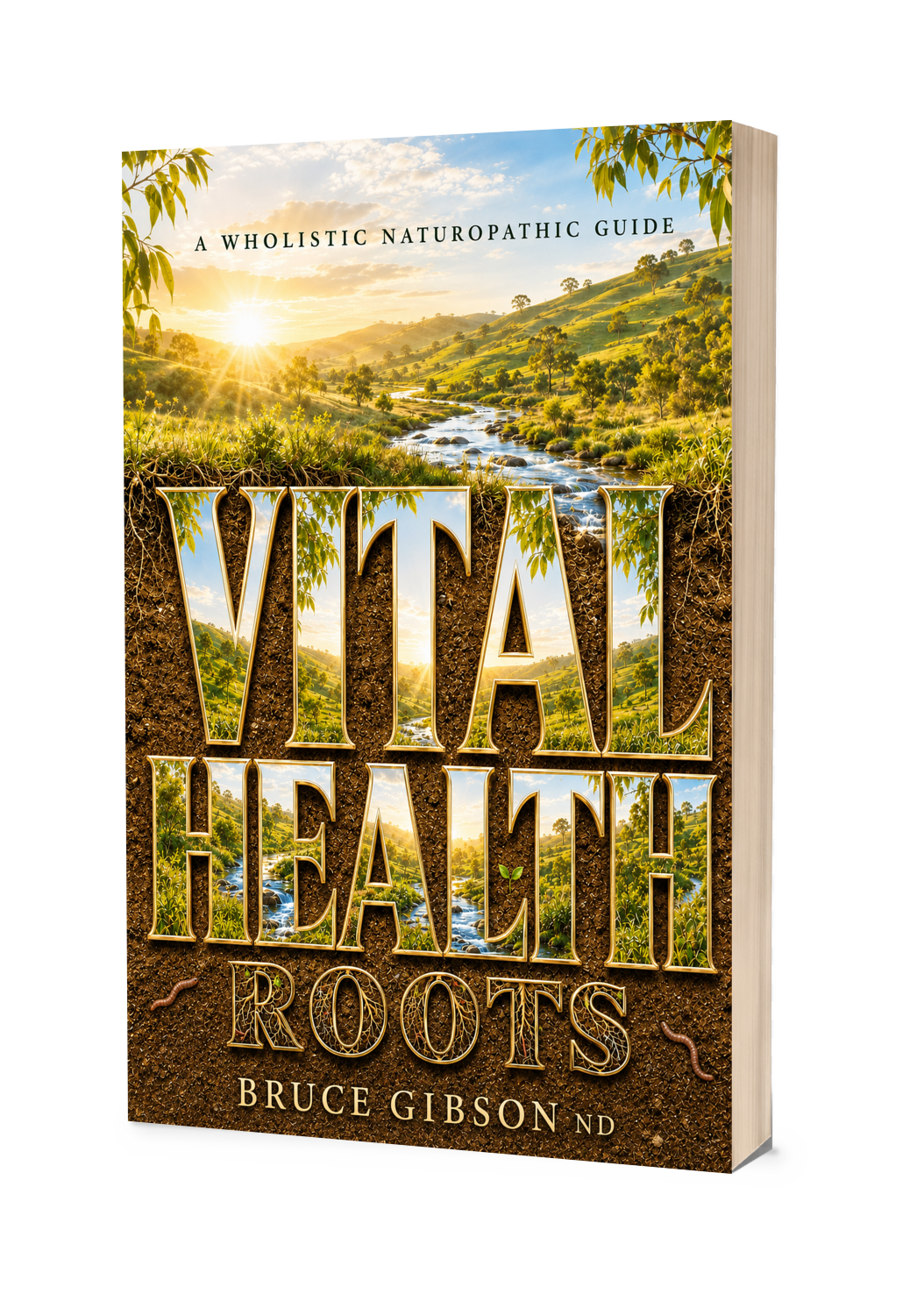
CONTINUE WITH VITAL HEALTH ROOTS
Your next chapter starts here.
Keep your Living Ecology Map close. Let Vital Health Roots and the free Starter Path support your next small, meaningful step.
Evidence, metaphor & further learning READ THE LAYERS
Your ecology map is a reflective planning tool. It does not diagnose health, assess clinical progress or guarantee outcomes. Use it alongside the personal and professional support appropriate to your circumstances.
This chapter offers reflective teaching and optional personal exploration, rather than a clinical intervention.
Nature imagery is illustrative. An individual observation can guide a question; it does not establish a cause or diagnose a condition.
There is no perfect ending. There is a living relationship to continue.